
非常静距离
华东重机:上半年净利润6206.97万元,同比增长137.31%_我的网站

A | 华东重机:上半年净利润6206.97万元,同比增长137.31%
人民财讯8月24日电,华东重机(002685)8月24日披露半年报,2026年上半年,公司实现营业收入7.57亿元,同比增长108.04%;实现归属于上市公司股东的净利润6206.97万元,同比增长137.31%;基本每股收益0.0616元。报告期内,港机业务依托充足的在手订单储备及市场占有率的稳步攀升,重点项目交付有序,带动营业收入与利润规模实现大幅增长,经营质量稳步提升,成为驱动公司业绩增长的主要引擎。
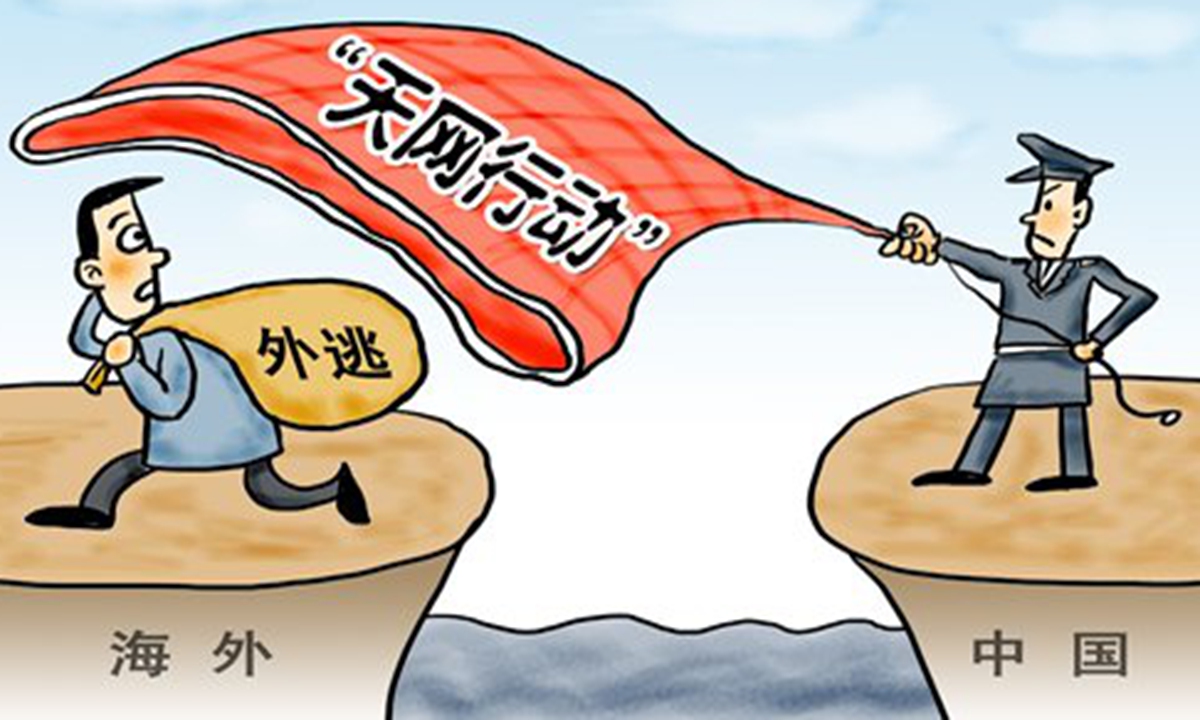
Chinese lawmakers began reviewing a draft law on combating cross-border corruption on Tuesday, a legislation which experts believe would help close legal gaps in investigating overseas corruption, pursuing fugitives and recovering illicit assets, while strengthening international cooperation and corporate compliance.
The draft was submitted for its first reading to the ongoing session of the Standing Committee of the National People's Congress, the country's top legislature, per Xinhua News Agency.
Huo Zhengxin, a professor at the China University of Political Science and Law, told the Global Times that the draft law represents a dedicated piece of legislation within China's anti-corruption legal framework and a major step forward in the country's law-based governance of foreign-related affairs. It will fill a legislative gap in combating cross-border corruption, Huo said.
As Chinese companies expand business overseas, cross-border corruption cases face challenges in obtaining evidence abroad, pursuing fugitives and recovering illicit assets. Existing anti-corruption laws have faced limitations in addressing such cases involving foreign affairs, making such dedicated legislation necessary, Huo said.
Structured into six chapters and 47 articles, the draft sets out the principles, scope and key provisions underpinning China's efforts to combat cross-border corruption. It also defines relevant operational mechanisms and institutional responsibilities, and seeks to strengthen case handling and international cooperation.
The draft further clarifies enterprises' obligations regarding integrity and compliance, and specifies legal liabilities for violations.
As one of the experts involved in drafting the legislation, Huo said a key innovation of the draft is to strengthen international cooperation and corporate integrity and compliance obligations. As evidence, suspects and illicit assets in cross-border corruption cases are often located overseas, the draft provides mechanisms including extradition, mutual legal assistance and repatriation, while aligning with relevant rules under the UN Convention against Corruption (UNCAC), said the expert.
The draft also makes clear that Chinese companies operating overseas, including both state-owned and private enterprises, have legal obligations to uphold integrity and compliance with domestic laws, Huo said.
The legislation would also codify practices accumulated through China's past campaigns against cross-border corruption, such as Sky Net and Fox Hunt operations, turning them into a more systematic legal framework and strengthening the law's deterrent effect, according to Huo.
The draft law is a practical step to regulate the development of cross-border businesses and help build a world-class business environment aligned with market principles, the rule of law and international standards, Xinhua noted.
It is also expected to expand the legal tools available to combat cross-border corruption and help address challenges in detecting corruption, collecting evidence, recovering illicit assets and securing convictions, according to the report.
In January, CCTV News reported on the case of a former senior executive of China National Offshore Oil Corporation, who was accused of accepting large amounts of bribes that were concealed overseas, with a businessman allegedly acting as a "front" to collect the illicit payments.
The draft's explicit corporate integrity and compliance requirements would make it harder for individuals to disguise bribery and other corrupt practices through overseas projects in an attempt to circumvent domestic oversight, while further clarifying the extraterritorial reach of China's anti-corruption laws, Huo said.
The draft also contains provisions to counter the use of foreign countries' domestic anti-corruption laws to exercise "long-arm jurisdiction" over Chinese companies, which Huo described as another important innovation in China's foreign-related legal framework.
China has been deepening its efforts in international anti-corruption cooperation, with 963 corrupt fugitives repatriated to the country in 2025, according to a work report from the country's top anti-graft body, Xinhua reported.
。同时,公司与多个境内外客户新增签署了智能化港口装卸设备项目合同,港机业务在手订单创历史新高,为后续经营业绩提供坚实保障。 。
Current article:http://2hhwl.suilaoheirenzhaizhaikang.sbs/list_2rd/7qfdm.html
Published on:07:41:11
栏目相关
- 自然美景与历史文化的璀璨交织——走进关东奇峡建昌画廊谷景区
- 凰家看台丨阿根廷,该他们赢!英格兰,该他们输!
- 兄妹全夺冠!张本智和用日文回应:这里是我家乡
- 上海前7个月实现进出口3万亿元,同比增长17.7%
- 冲刺四季度|望花区:切实把政策红利转化为发展动力
- 雄激素性秃发治疗迈向局部靶向 临床治疗增加新选择,雄激素性秃发治疗迈向局部靶向 临床治疗增加新选择
- 美军发动打击,济宁新闻网,美军发动打击
- 618和国补可以叠加吗?2025年618什么时候结束??618真的会便宜吗?
- 桑榆筑阵 社区共治——记天桥区无影山街道无影潭社区离退休人员党支部
- 济南发布雷电预警:今天下午至夜间,历下、市中、槐荫、天桥、历城、南山和起步区有雷阵雨,局地有短时强降雨、阵风7~8级;山东局部大雨
- Two Women Killed in Shark Attack Off Egypt's Red Sea Coast – Ministry of Environment
- 公示!“闽超”拟新增2名台胞球员
热门排行
- Rog Gunshen 2轻追击游戏Ben Jingdong预售:i7 RTX2060,20999元
- 《星际迷航:纷争: Strange New Worlds》评测/回顾:没错,就是有木偶的那一集……
- 曝DDR5内存91%是脚本机器人在"抢"!普通人想买会更难
- 奔驰“天价”补偿鼓励员工离职,此计划不涉及中国市场
- 韩国男子长期家暴中国妻子,还持刀威胁,被判坐牢3年半
- Fun fact: Will this cloud rain?
- Beijing eases homebuying rules for non-residents, cutting social insurance, income tax requirement to one year
- 上半年食品冷链物流业务总需求量达2亿吨
- 萨巴乞求奥胖决赛手下留情,奥胖:我最完美的比赛还没打出来
- 国台办:民进党当局应尽快取消限制 不要阻挡两岸影视文化交流合作
- 红米红大米7号在8分36秒内售完
- 2026十大高返利app:十款返利App省钱实测怎么最省钱?